Product Name: SLU-PP-332 CAS Number: 303760-60-3 Synonyms: 4-Hydroxy-N’-(2-naphthylmethylene)benzohydrazide; (E)-4-Hydroxy-N’-(naphthalen-2-ylmethylene)benzohydrazide Molecular Formula: C₁₈H₁₄N₂O₂ Molecular Weight: 290.32 g/mol Chemical Structure: Hydrazone derivative with a naphthalene ring and para-hydroxybenzoyl group (SMILES: C(NN=CC1=CC=C2C(=C1)C=CC=C2)(=O)C1=CC=C(O)C=C1) Purity: ≥99% (HPLC verified) Formulation: White to off-white solid powder; soluble in DMSO (2 mg/mL when warmed), with predicted density of 1.20±0.1 g/cm³ and pKa of 8.44±0.15
🔬 Mechanism of Action
SLU-PP-332 is a pan-estrogen-related receptor (ERR) agonist with high affinity for ERRα (EC₅₀=98 nM), ERRβ (230 nM), and ERRγ (430 nM). It activates metabolic pathways analogous to aerobic exercise by:
Enhancing Mitochondrial Function: Upregulates mitochondrial respiration and biogenesis in skeletal muscle, increasing fatty acid oxidation and cellular energy expenditure.
Improving Muscle Oxidative Capacity: Promotes type IIa oxidative muscle fiber formation and enhances exercise tolerance without stimulating physical activity.
📊 Preclinical Efficacy (Murine Models)
Parameter
Effect
Energy Metabolism
Increases resting energy expenditure by 22%; shifts substrate utilization to fatty acid oxidation (45% reduction in respiratory exchange ratio)
Body Composition
Reduces adiposity by 12% in obese mice after 4 weeks of treatment (without changes in food intake)
Exercise Performance
Extends running time by 70% and distance by 45% in normal-weight mice; enhances muscle glycogen utilization
Metabolic Health
Improves glucose tolerance (30% lower AUC in GTT), reduces hepatic steatosis, and normalizes lipid profiles in diet-induced obese mice
Molecular Biomarkers
Upregulates Per1/Per2 (circadian rhythm) and Ddit4 (energy stress response) genes; increases mitochondrial DNA content by 58% in gastrocnemius muscle
💡 Research Applications
Metabolic Disease Modeling: Tool for studying obesity, type 2 diabetes, and non-alcoholic fatty liver disease (NAFLD) pathogenesis.
Exercise Physiology: Investigational agent to dissect ERR-mediated signaling pathways in muscle adaptation and mitochondrial biogenesis.
Aging Research: Potential modulator of age-related muscle wasting (sarcopenia) and metabolic decline.
Drug Discovery: Lead compound for developing orally active ERR agonists with improved pharmacokinetic properties.
⚙️ Pharmaceutical Development
Stage: Preclinical (discovered by Washington University School of Medicine and St. Louis College of Pharmacy)
Formulation Challenges: Currently administered via injection; research ongoing to develop oral formulations using cyclodextrin complexation or lipid-based delivery systems.
Safety Profile: No overt toxicity observed in murine studies (1-month treatment); no impact on appetite or reproductive parameters.
Intellectual Property: Covered by pending patents for metabolic disorder treatment and exercise mimetics.
📦 Commercial Specifications
Storage: Stable at 2-8°C for ≥24 months in desiccated form; DMSO solutions stable at -80°C for 6 months.
Supply: Available from specialized chemical suppliers (TargetMol, Mesochem) with minimum order quantities of 5 mg; bulk production capacity up to 1 ton/year.
Quality Control: Batch testing includes HPLC purity, mass spectrometry verification, and solubility assessment in DMSO.
⚠️ Research Limitations
Species Translation: Efficacy尚未在非啮齿类动物中验证; human ERR isoform affinity may differ.
Long-term Safety: Potential off-target effects on reproductive tissues due to ERR homology with estrogen receptors require further evaluation.
None of our HGH lines are inherently better than the other. Each batch comes with a corresponding test report. Purity and dimer can be a decent proxy for “quality”, you want purity as high as possible and dimer as low as possible. The main factor to consider in our opinion, is the price per IU. Supreme is usually the best bang for buck option. Historically, Supreme & Deluxe have shown lower dimer content, although this may not always be the case, so of course reference the corresponding test reports.
For HGH, we typically recommend 1ml for every ~10 IU in the vial. If a batch tests at an average of 290 IU per kit, that is an average of 29 IU per vial, and we’d recommend 2.9ml of bacteriostatic water. This will make the syringe math similar to a traditional 100 iu kit with 1ml of solution For peptide reconstituion, you can use our amazing Dosage Calculator.
Not necessarily. If you look through all our lab reports, particularly the ones with multiple test reports in a single batch, you will see that the intra-batch variance can actually be quite high. When you purchase a batch, you can expect some of the vials in your kit to be as much as 5-15% +/- whatever the corresponding lab test reflects. This is simply the reality of product that is not made to the same standards as pharmaceutical grade growth hormone. To state otherwise would be disingenous. There can also be a high variance in the dimer content intra-batch. (For Example: Economy B, Deluxe A, etc) Over time, we’ve increased the volume of samples analyzed for each batch, to provide more transparancy regarding the potential for intra-batch variance. If you use the average IU figure provided on each product, your dosage should average out over time, so don’t overthink your administration protocol too much. We know it can be a bit overwhelming with all the different numbers provided. That said, don’t hesitate to reach out if you need specific guidance on dosage or reconstitution.
Yes! We offer store credit for quantitative testing of total IU/Purity (ie Janoshik testing), and for personal IGF-1 test results. Please email for more information. *TERMS APPLY*
Depending on your location, most customers receive their order in 2-10 business days. We ship with USPS Ground Shipping, from the United States only. 99% of orders ship within 24 hours (excluding weekends & holidays)
We are no longer providing tracking. If your order is over 10 business days old and hasn’t arrived, our customer service team can check your tracking information to see the status of your package
If your order was marked as “completed”, typically this means a label has been generated and your order is scheduled to go out that day or the next. “Processing” status orders have not been shipped, processing means payment has been confirmed successfully. Don’t hesitate to reach out regarding the status of your order.
Unfortunately we do not provide reships for incorrect addresses. In the VERY rare instance that a package is lost in transit, we will reship your order free of charge.
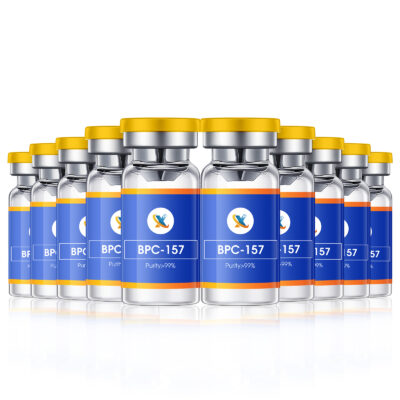
BPC-157 (Body Protection Compound-157) is a synthetic peptide derived from a protective protein found in the human gastric system. Known for its ability to accelerate tissue repair, reduce inflammation, and promote angiogenesis, BPC-157 is widely used to support muscle, tendon, ligament, joint, and gastrointestinal healing.
This 10mg strengthkit of 10 vials offers a higher concentration, making it ideal for those following extended recovery protocols or higher daily dosing strategies.
Supplied as a lyophilized powder, BPC-157 requires reconstitution before use.
Select options
This product has multiple variants. The options may be chosen on the product page
Master Antioxidant | Detoxification, Immune Support, and Cellular Health
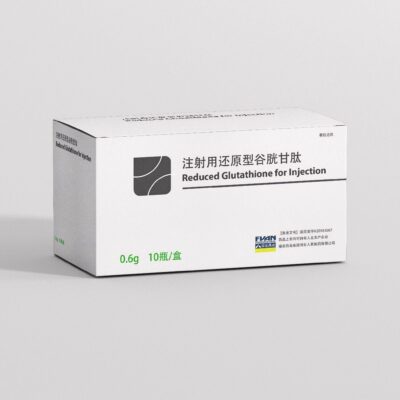
Glutathione is the body’s primary intracellular antioxidant, essential for protecting cells from oxidative stress, supporting liver detoxification, and maintaining immune resilience. This formulation provides high-purity, pharmaceutical-grade Glutathione, packaged as 10 x 600mg lyophilized vials, intended for intramuscular (IM) use after reconstitution.
Widely used in wellness, recovery, and anti-aging protocols, Glutathione plays a central role in cellular repair and defense.