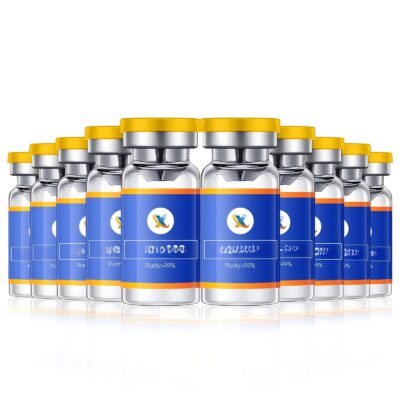
(IGF-1 DES CB35475644); supplier specifications (Wuhan Senwayer Century Chemical, Hubei KDG Web Science & Technology); structural analysis of Des(1-3) IGF-1 splice variants in human tissues (PMID: 12471016).
Product Name: IGF-1 DES (Des(1-3) Insulin-like Growth Factor-1) CAS Number: N/A (Referenced as a natural splice variant; related CAS: 946870-92-4 for IGF analogs) Molecular Formula: C₃₇₄H₅₉₈N₁₀₈O₁₂₁S Molecular Weight: ~7.3 kDa (67 amino acids) Amino Acid Sequence: Truncated human IGF-1 lacking the N-terminal tripeptide (Ala-Pro-Glu), corresponding to residues 4-70 of native IGF-1 with the sequence: H-Gly-Gly-Thr-Phe-Thr-Ser-Ile-Cys-Gly-Ala-Glu-Leu-Val-Asp-Ala-Leu-Gln-Phe-Val-Cys-Arg-Gly-Asp-Thr-Leu-Tyr-Tyr-Ser-Arg-Ser-Leu-Leu-Arg-Arg-Ala-Glu-Ile-Val-Asp-Asp-Leu-Pro-Pro-Thr-Glu-Val-Gly-Glu-Arg-Gly-Phe-Tyr-Gly-Ile-Ile-Ala-Leu-Leu-Lys-Ala-Glu-Gly-Tyr-Cys-Ala-Pro-Leu-Lys-Pro-Ala-Lys-Ser-Ala-NH₂ Purity: ≥98% (HPLC verified) Formulation: Lyophilized powder (standard vials: 1mg, 5mg, 10mg)
🔬 Key Characteristics
IGF-1 DES (Des(1-3) IGF-1) is a naturally occurring splice variant of insulin-like growth factor-1, characterized by the deletion of the N-terminal three amino acids (Ala-Pro-Glu). This structural modification reduces binding affinity to insulin-like growth factor binding proteins (IGFBPs) by ~50-fold compared to native IGF-1, resulting in increased free bioavailability and potent activation of the IGF-1 receptor (IGF-1R). Originally identified in brain tissue, breast milk, and uterine epithelium, it exhibits enhanced metabolic stability and tissue penetration in preclinical models.
⚙️ Mechanism of Action
IGF-1R Activation: Binds selectively to IGF-1R with high affinity, inducing receptor dimerization and autophosphorylation to activate downstream signaling cascades (PI3K/AKT and MAPK pathways).
IGFBP Evasion: Truncation of the N-terminal domain disrupts IGFBP binding motifs, minimizing sequestration and prolonging half-life in biological fluids.
Anabolic Signaling: Stimulates protein synthesis, cell cycle progression (G1→S phase transition), and inhibits apoptosis through AKT-mediated phosphorylation of FOXO transcription factors.
Insulin-Like Activity: Exhibits weak cross-reactivity with insulin receptors, promoting glucose uptake in muscle and adipose tissue at high concentrations.
📊 Research Applications
Cell Biology: In vitro studies of cell proliferation, differentiation, and survival (e.g., muscle satellite cells, neurons, osteoblasts).
Oncology Research: Investigation of IGF-1R signaling in tumor growth and targeted therapy development (e.g., breast, prostate, and colorectal cancer models).
Musculoskeletal Studies: Evaluation of muscle hypertrophy, bone regeneration, and sarcopenia interventions.
Developmental Biology: Analysis of growth regulation in embryonic and fetal models, particularly in uterine and neural tissues.
💡 Product Features
Bioactivity: Specific activity ≥5.0×10⁵ IU/mg (NBT-II cell proliferation assay), with ED₅₀ ≤0.5 ng/ml.
Stability: Lyophilized form stable for 24 months at -20°C; reconstituted solutions (sterile PBS or 0.1% BSA) stable for 7 days at 4°C.
Expression System: Recombinant production in E. coli or CHO cells, available with/without His-tag purification.
For Research Use Only: Not approved for human or veterinary clinical applications. Handling requires compliance with biosafety protocols for peptide research, including proper reconstitution, storage, and disposal of contaminated materials.
None of our HGH lines are inherently better than the other. Each batch comes with a corresponding test report. Purity and dimer can be a decent proxy for “quality”, you want purity as high as possible and dimer as low as possible. The main factor to consider in our opinion, is the price per IU. Supreme is usually the best bang for buck option. Historically, Supreme & Deluxe have shown lower dimer content, although this may not always be the case, so of course reference the corresponding test reports.
For HGH, we typically recommend 1ml for every ~10 IU in the vial. If a batch tests at an average of 290 IU per kit, that is an average of 29 IU per vial, and we’d recommend 2.9ml of bacteriostatic water. This will make the syringe math similar to a traditional 100 iu kit with 1ml of solution For peptide reconstituion, you can use our amazing Dosage Calculator.
Not necessarily. If you look through all our lab reports, particularly the ones with multiple test reports in a single batch, you will see that the intra-batch variance can actually be quite high. When you purchase a batch, you can expect some of the vials in your kit to be as much as 5-15% +/- whatever the corresponding lab test reflects. This is simply the reality of product that is not made to the same standards as pharmaceutical grade growth hormone. To state otherwise would be disingenous. There can also be a high variance in the dimer content intra-batch. (For Example: Economy B, Deluxe A, etc) Over time, we’ve increased the volume of samples analyzed for each batch, to provide more transparancy regarding the potential for intra-batch variance. If you use the average IU figure provided on each product, your dosage should average out over time, so don’t overthink your administration protocol too much. We know it can be a bit overwhelming with all the different numbers provided. That said, don’t hesitate to reach out if you need specific guidance on dosage or reconstitution.
Yes! We offer store credit for quantitative testing of total IU/Purity (ie Janoshik testing), and for personal IGF-1 test results. Please email for more information. *TERMS APPLY*
Depending on your location, most customers receive their order in 2-10 business days. We ship with USPS Ground Shipping, from the United States only. 99% of orders ship within 24 hours (excluding weekends & holidays)
We are no longer providing tracking. If your order is over 10 business days old and hasn’t arrived, our customer service team can check your tracking information to see the status of your package
If your order was marked as “completed”, typically this means a label has been generated and your order is scheduled to go out that day or the next. “Processing” status orders have not been shipped, processing means payment has been confirmed successfully. Don’t hesitate to reach out regarding the status of your order.
Unfortunately we do not provide reships for incorrect addresses. In the VERY rare instance that a package is lost in transit, we will reship your order free of charge.
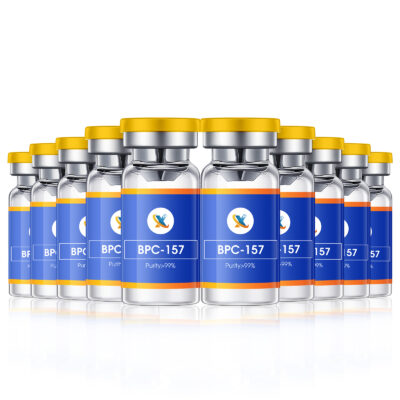
BPC-157 (Body Protection Compound-157) is a synthetic peptide derived from a protective protein found in the human gastric system. Known for its ability to accelerate tissue repair, reduce inflammation, and promote angiogenesis, BPC-157 is widely used to support muscle, tendon, ligament, joint, and gastrointestinal healing.
This 10mg strengthkit of 10 vials offers a higher concentration, making it ideal for those following extended recovery protocols or higher daily dosing strategies.
Supplied as a lyophilized powder, BPC-157 requires reconstitution before use.
Select options
This product has multiple variants. The options may be chosen on the product page
Regenerative Peptide Combo | Musculoskeletal Repair + Whole Body Recovery
(5 mg BPC-157 + 10 mg TB-500 per bottle)
Overview:
This powerful peptide blend combines BPC-157 and TB-500, two of the most researched peptides for tissue regeneration, anti-inflammatory and injury repair. When used together, BPC and TB-500 create a synergistic effect that supports local healing and systemic repair mechanisms throughout the body.
Ideal for athletes, active individuals or those recovering from soft tissue injuries, this blend is often used in treatment regimens for tendinitis, ligament injuries, muscle strains and post-surgery recovery.
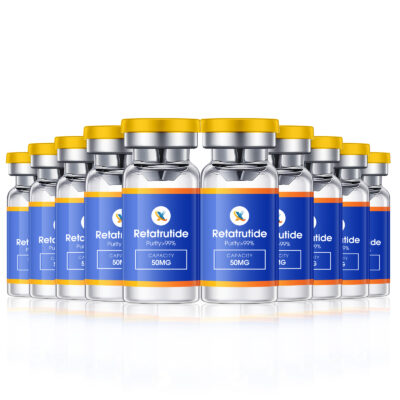
Retatrutide is a next-generation triple incretin agonist, targeting GLP-1 (glucagon-like peptide-1), GIP (glucose-dependent insulinotropic polypeptide), and Glucagon receptors simultaneously. This unique triple-action mechanism offers a powerful blend of appetite suppression, fat oxidation, and energy regulation, positioning Retatrutide at the forefront of advanced weight management and metabolic enhancement therapies.
This product is supplied as a lyophilized powder and requires reconstitution before use.
Select options
This product has multiple variants. The options may be chosen on the product page