(CAS 70-18-8); supplier specifications (Sigma-Aldrich G4251, Tokyo Chemical Industry G0058); Meister A. (1988) glutathione metabolism review; 2017 redox signaling studies in Antioxidants & Redox Signaling; clinical applications in liver disease
Product Name: Glutathione (GSH; L-Glutathione; γ-L-Glutamyl-L-cysteinylglycine) CAS Number: 70-18-8 Molecular Formula: C₁₀H₁₇N₃O₆S Molecular Weight: 307.33 g/mol Amino Acid Composition: γ-Glutamyl-L-cysteinylglycine (tripeptide with γ-peptide bond between glutamic acid and cysteine) Purity: ≥98% (HPLC verified) / ≥90% (USP grade) Formulation: Lyophilized white powder (reduced form, GSH); oxidized dimer (GSSG) available separately
🔬 Key Characteristics
Glutathione is a ubiquitous intracellular tripeptide synthesized in all mammalian cells via the γ-glutamyl cycle. Its thiol group (-SH) on the cysteine residue confers redox-active properties, enabling it to function as the primary endogenous antioxidant. Present in both reduced (GSH) and oxidized (GSSG) forms, its intracellular ratio (GSH:GSSG >10:1) serves as a critical indicator of cellular redox status. As a low-molecular-weight thiol (~307 Da), it freely diffuses across membranes and accumulates in high concentrations (1-10 mM) in the liver, kidneys, and erythrocytes.
⚙️ Mechanism of Action
Antioxidant Defense: Directly scavenges reactive oxygen species (ROS) and reactive nitrogen species (RNS), including hydroxyl radicals, superoxide anion, and peroxynitrite. Regenerates other antioxidants (vitamin C, vitamin E) via glutathione peroxidase-catalyzed reactions.
Detoxification Pathway: Conjugates xenobiotics (drugs, heavy metals, environmental toxins) through glutathione S-transferase (GST) enzymes, forming water-soluble metabolites for renal excretion. Essential for hepatic biotransformation of electrophilic compounds.
Redox Regulation: Maintains protein thiol groups in reduced state, regulating enzyme activity, signal transduction, and gene expression via redox-sensitive transcription factors (e.g., Nrf2, NF-κB).
Immune Support: Modulates T-cell proliferation, cytokine production (IL-2, IFN-γ), and macrophage phagocytosis; protects lymphocytes from oxidative stress-induced apoptosis.
Mitochondrial Function: Concentrates in mitochondrial matrix, protecting against oxidative damage to mtDNA and maintaining electron transport chain integrity.
📊 Research Applications
Oxidative Stress Studies: Models of neurodegenerative diseases (Alzheimer’s, Parkinson’s), cardiovascular disorders, and aging-related pathologies.
Toxicology: Evaluation of heavy metal (Hg, Cd, Pb) detoxification and drug-induced liver injury (e.g., acetaminophen overdose).
Oncology: Investigation of redox-dependent cancer cell survival and resistance to chemotherapy/radiotherapy.
Immunology: Analysis of GSH depletion in HIV/AIDS, autoimmune diseases, and sepsis-induced immunosuppression.
Dermatology: Preclinical research on skin lightening (inhibits tyrosinase) and protection against UV-induced photodamage.
💡 Product Features
Stability: Lyophilized GSH stable for 36 months at -20°C under inert gas; aqueous solutions unstable (oxidizes rapidly to GSSG) – use freshly prepared in oxygen-free buffers with reducing agents (e.g., DTT, β-mercaptoethanol).
Bioavailability: Poor oral absorption due to intestinal degradation; research-grade formulations include liposomal encapsulation or acetylated derivatives (e.g., S-acetyl-glutathione) for enhanced cellular uptake.
Assay Compatibility: Detectable via Ellman’s reagent (DTNB) for thiol quantification, or HPLC with electrochemical detection for GSH/GSSG ratio analysis.
Co-factor Requirements: Functions synergistically with glutathione peroxidase (requires selenium), glutathione reductase (requires NADPH), and GST enzymes.
⚠️ Disclaimer
For Research Use Only: Not approved as a therapeutic agent in all jurisdictions. High-dose supplementation may interfere with drug metabolism (e.g., chemotherapy agents, warfarin). Handle reduced glutathione under anaerobic conditions to prevent oxidation; use fume hood when working with powdered forms to avoid inhalation.
None of our HGH lines are inherently better than the other. Each batch comes with a corresponding test report. Purity and dimer can be a decent proxy for “quality”, you want purity as high as possible and dimer as low as possible. The main factor to consider in our opinion, is the price per IU. Supreme is usually the best bang for buck option. Historically, Supreme & Deluxe have shown lower dimer content, although this may not always be the case, so of course reference the corresponding test reports.
For HGH, we typically recommend 1ml for every ~10 IU in the vial. If a batch tests at an average of 290 IU per kit, that is an average of 29 IU per vial, and we’d recommend 2.9ml of bacteriostatic water. This will make the syringe math similar to a traditional 100 iu kit with 1ml of solution For peptide reconstituion, you can use our amazing Dosage Calculator.
Not necessarily. If you look through all our lab reports, particularly the ones with multiple test reports in a single batch, you will see that the intra-batch variance can actually be quite high. When you purchase a batch, you can expect some of the vials in your kit to be as much as 5-15% +/- whatever the corresponding lab test reflects. This is simply the reality of product that is not made to the same standards as pharmaceutical grade growth hormone. To state otherwise would be disingenous. There can also be a high variance in the dimer content intra-batch. (For Example: Economy B, Deluxe A, etc) Over time, we’ve increased the volume of samples analyzed for each batch, to provide more transparancy regarding the potential for intra-batch variance. If you use the average IU figure provided on each product, your dosage should average out over time, so don’t overthink your administration protocol too much. We know it can be a bit overwhelming with all the different numbers provided. That said, don’t hesitate to reach out if you need specific guidance on dosage or reconstitution.
Yes! We offer store credit for quantitative testing of total IU/Purity (ie Janoshik testing), and for personal IGF-1 test results. Please email for more information. *TERMS APPLY*
Depending on your location, most customers receive their order in 2-10 business days. We ship with USPS Ground Shipping, from the United States only. 99% of orders ship within 24 hours (excluding weekends & holidays)
We are no longer providing tracking. If your order is over 10 business days old and hasn’t arrived, our customer service team can check your tracking information to see the status of your package
If your order was marked as “completed”, typically this means a label has been generated and your order is scheduled to go out that day or the next. “Processing” status orders have not been shipped, processing means payment has been confirmed successfully. Don’t hesitate to reach out regarding the status of your order.
Unfortunately we do not provide reships for incorrect addresses. In the VERY rare instance that a package is lost in transit, we will reship your order free of charge.
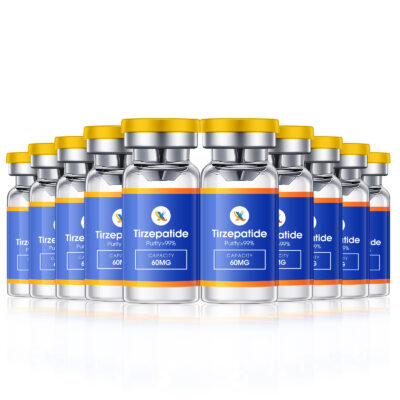
Tirzepatide is a cutting-edge dual incretin agonist that mimics both GLP-1 (glucagon-like peptide-1) and GIP (glucose-dependent insulinotropic polypeptide) — two key hormones involved in regulating blood sugar, satiety, and energy balance. This unique mechanism allows for enhanced appetite suppression, improved insulin sensitivity, and significant fat loss when combined with proper nutrition and lifestyle protocols.
Available as a lyophilized powder, Tirzepatide requires reconstitution prior to use.
Select options
This product has multiple variants. The options may be chosen on the product page
$100.00–$200.00Price range: $100.00 through $200.00
Human Chorionic Gonadotropin | Hormonal Support for Testosterone Optimization & Fertility
Overview:
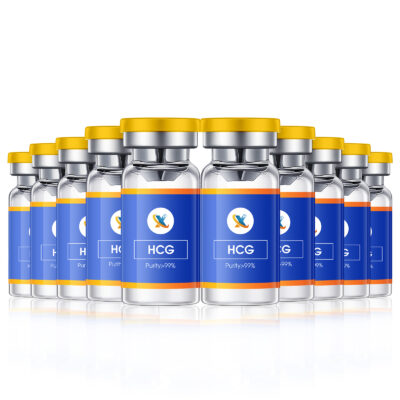
HCG (Human Chorionic Gonadotropin) is a peptide hormone that mimics LH (luteinizing hormone), stimulating the testes to produce natural testosterone and support spermatogenesis. It’s widely used in TRT (Testosterone Replacement Therapy) to preserve fertility, maintain testicular volume, and prevent shutdown of endogenous testosterone production.
Each vial contains 5000 IU of lyophilized HCG powder, requiring reconstitution before use. 10 vials per kit.
Select options
This product has multiple variants. The options may be chosen on the product page
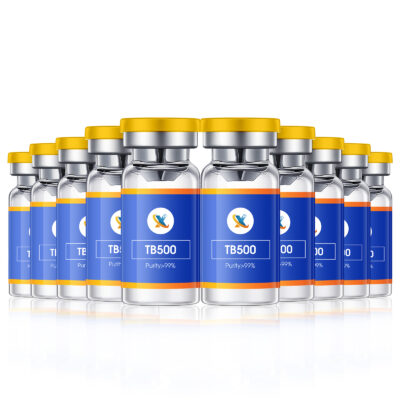
TB-500 is a synthetic version of Thymosin Beta-4, a naturally occurring peptide involved in tissue regeneration and healing. Known for its ability to promote cell migration, reduce inflammation, and accelerate soft tissue repair, TB-500 is widely used in recovery protocols for muscle strains, joint issues, and connective tissue healing.
This package includes 10 vials, each containing 10mg of lyophilized TB-500, ideal for multi-week recovery or performance programs.
Select options
This product has multiple variants. The options may be chosen on the product page