Systematic Name: Cathelicidin Antimicrobial Peptide (CAMP) Synonym: hCAP-18 (human cationic antimicrobial protein 18)-derived peptide CAS Number: 246494-35-7 Molecular Formula: C₁₇₉H₂₉₁N₅₃O₄₉ Molecular Weight: ~4,493 Da Amino Acid Sequence: LLGDFFRKSKEKIGKEFKRIVQRIKDFLRNLVPRTES Isoelectric Point (pI): 10.9 (strongly cationic) Structure: Amphipathic α-helix (residues 13-34) with hydrophobic N-terminus and hydrophilic C-terminus
🔍 Biological Origin & Processing
LL-37 is the only cathelicidin expressed in humans, encoded by the CAMP gene on chromosome 3p21.3. Synthesized as a 18 kDa precursor protein (hCAP-18) in neutrophils, macrophages, epithelial cells, and keratinocytes, it undergoes proteolytic cleavage by proteinase 3 to release the active 37-amino acid peptide. This processing occurs during inflammation or microbial challenge, with secretion triggered by TLR activation, vitamin D, or microbial products like LPS.
⚔️ Multifunctional Mechanisms
🦠 Antimicrobial Activity
Broad-Spectrum Action: Effective against Gram-positive bacteria (Staphylococcus aureus, Streptococcus pneumoniae), Gram-negative bacteria (E. coli, Pseudomonas aeruginosa), fungi (Candida albicans), and enveloped viruses (HIV-1, influenza A). MIC values range from 1-10 μM for most pathogens.
Membrane Disruption: Cationic residues (+6 net charge) interact with anionic microbial membranes, forming pores via the “carpet model” or barrel-stave mechanism. Hydrophobic N-terminal region drives insertion into lipid bilayers, causing leakage and cell lysis.
Intracellular Targeting: Enters bacterial cytoplasm to inhibit DNA/RNA synthesis and protein folding, providing a second bactericidal mechanism.
🛡️ Immunomodulation
Chemotaxis: Recruits neutrophils, monocytes, and T cells via formyl peptide receptor-like 1 (FPRL1) activation, with EC₅₀ of 0.1-1 μM.
Cytokine Regulation: Induces IL-8, MCP-1, and TNF-α at low concentrations (1-5 μM) while suppressing excessive inflammation via TLR4/MD2 antagonism at higher doses (>10 μM).
Antigen Presentation: Enhances dendritic cell maturation and MHC class II expression, bridging innate and adaptive immunity.
🔄 Tissue Repair & Regeneration
Angiogenesis: Stimulates endothelial cell migration and tube formation via VEGFR2 activation, accelerating wound vascularization.
Keratinocyte Proliferation: Promotes re-epithelialization by upregulating EGF receptor signaling, reducing wound closure time in murine models by 30%.
Extracellular Matrix Remodeling: Induces MMP-2/MMP-9 expression to facilitate tissue remodeling during healing.
🩺 Clinical Significance
Pathological Context
Role of LL-37
Infectious Diseases
Deficiency associated with recurrent skin infections (atopic dermatitis) and bacterial vaginosis.
Inflammatory Disorders
Overexpression linked to psoriasis (induces Th17 polarization) and rheumatoid arthritis (synovial inflammation).
Cancer
Acts as double-edged sword: inhibits melanoma/colorectal cancer growth via apoptosis induction but promotes bladder cancer angiogenesis.
Wound Healing
Topical application accelerates diabetic ulcer closure by 40% in clinical trials (Phase II data).
🧪 Research Tools & Therapeutics
Recombinant Production: Available as synthetic peptide (≥95% purity) or E. coli-expressed protein; typically reconstituted in water or PBS with 0.1% BSA.
Delivery Systems: Nanoparticle encapsulation enhances stability and reduces hemolytic activity (IC₅₀ >100 μM vs. 25 μM for free peptide).
Clinical Candidates: Cationic lipopeptide derivatives (e.g., MX-226) in Phase I trials for multidrug-resistant infections; LL-37-modified hydrogels under development for chronic wound therapy.
⚠️ Biological Considerations
Host Cell Toxicity: Hemolytic at high concentrations (>50 μM); requires careful dose optimization for therapeutic use.
Proteolytic Degradation: Susceptible to serine proteases (e.g., elastase), necessitating protease inhibitors in formulations.
Immunogenicity: Naturally occurring in humans, minimizing antibody formation risk compared to synthetic antimicrobials.
None of our HGH lines are inherently better than the other. Each batch comes with a corresponding test report. Purity and dimer can be a decent proxy for “quality”, you want purity as high as possible and dimer as low as possible. The main factor to consider in our opinion, is the price per IU. Supreme is usually the best bang for buck option. Historically, Supreme & Deluxe have shown lower dimer content, although this may not always be the case, so of course reference the corresponding test reports.
For HGH, we typically recommend 1ml for every ~10 IU in the vial. If a batch tests at an average of 290 IU per kit, that is an average of 29 IU per vial, and we’d recommend 2.9ml of bacteriostatic water. This will make the syringe math similar to a traditional 100 iu kit with 1ml of solution For peptide reconstituion, you can use our amazing Dosage Calculator.
Not necessarily. If you look through all our lab reports, particularly the ones with multiple test reports in a single batch, you will see that the intra-batch variance can actually be quite high. When you purchase a batch, you can expect some of the vials in your kit to be as much as 5-15% +/- whatever the corresponding lab test reflects. This is simply the reality of product that is not made to the same standards as pharmaceutical grade growth hormone. To state otherwise would be disingenous. There can also be a high variance in the dimer content intra-batch. (For Example: Economy B, Deluxe A, etc) Over time, we’ve increased the volume of samples analyzed for each batch, to provide more transparancy regarding the potential for intra-batch variance. If you use the average IU figure provided on each product, your dosage should average out over time, so don’t overthink your administration protocol too much. We know it can be a bit overwhelming with all the different numbers provided. That said, don’t hesitate to reach out if you need specific guidance on dosage or reconstitution.
Yes! We offer store credit for quantitative testing of total IU/Purity (ie Janoshik testing), and for personal IGF-1 test results. Please email for more information. *TERMS APPLY*
Depending on your location, most customers receive their order in 2-10 business days. We ship with USPS Ground Shipping, from the United States only. 99% of orders ship within 24 hours (excluding weekends & holidays)
We are no longer providing tracking. If your order is over 10 business days old and hasn’t arrived, our customer service team can check your tracking information to see the status of your package
If your order was marked as “completed”, typically this means a label has been generated and your order is scheduled to go out that day or the next. “Processing” status orders have not been shipped, processing means payment has been confirmed successfully. Don’t hesitate to reach out regarding the status of your order.
Unfortunately we do not provide reships for incorrect addresses. In the VERY rare instance that a package is lost in transit, we will reship your order free of charge.
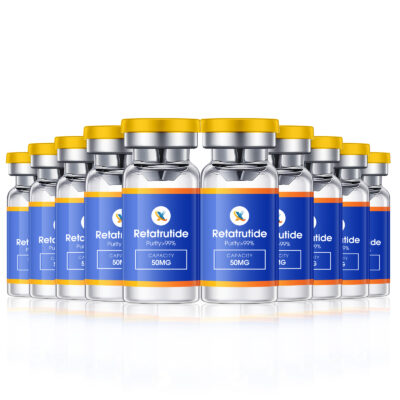
Retatrutide is a next-generation triple incretin agonist, targeting GLP-1 (glucagon-like peptide-1), GIP (glucose-dependent insulinotropic polypeptide), and Glucagon receptors simultaneously. This unique triple-action mechanism offers a powerful blend of appetite suppression, fat oxidation, and energy regulation, positioning Retatrutide at the forefront of advanced weight management and metabolic enhancement therapies.
This product is supplied as a lyophilized powder and requires reconstitution before use.
Select options
This product has multiple variants. The options may be chosen on the product page