$125.00–$185.00Price range: $125.00 through $185.00
WHO International Standard for Erythropoietin (87/684); European Pharmacopoeia Monograph 0137; Clinical Kidney Journal 2021 guidelines on anemia management in CKD; WADA 2024 Prohibited List; EPO receptor signaling studies in Blood (2018); recombinant production methods from CHO cell expression systems (Sigma-Aldrich product data sheet).
Product Name: Erythropoietin (EPO); Recombinant Human Erythropoietin (rHuEPO) CAS Number: 11096-26-7 Molecular Formula: C₆₉₀H₁₁₀₆N₁₈₈O₂₀₈S₅ (glycoprotein with 165 amino acids + 4 carbohydrate chains) Molecular Weight: ~30.4 kDa (carbohydrate moiety accounts for ~40% of mass) Primary Structure: 165-amino acid polypeptide chain with N-linked glycosylation at Asn24, Asn38, Asn83; O-linked glycosylation at Ser126 Purity: ≥99% (HPLC/SEC verified); endotoxin <0.01 EU/μg Formulation: Lyophilized powder for injection (single-dose vials: 2000 IU, 4000 IU, 10000 IU; prefilled syringes)
🔬 Key Characteristics
Erythropoietin is a hypoxia-inducible glycoprotein hormone critical for erythropoiesis regulation. Endogenously produced primarily by renal peritubular interstitial cells (90%) and hepatocytes (10% in adults), its 3D structure features four α-helical domains stabilized by two disulfide bonds (Cys7-Cys161, Cys29-Cys33). The heavily glycosylated nature (three N-linked, one O-linked oligosaccharides) confers resistance to proteolysis and prolongs circulatory half-life (~4-13 hours in humans). Recombinant versions (rHuEPO) are produced via CHO cell expression systems, mimicking native glycosylation patterns to ensure biological activity.
⚙️ Mechanism of Action
Hypoxia Sensing: Renal hypoxia-inducible factor (HIF-1α/2α) upregulates EPO gene transcription when oxygen tension drops below 40 mmHg, triggering a 50-100 fold increase in circulating EPO within 24-48 hours.
Erythroid Progenitor Stimulation: Binds to EPO receptors (EpoR) on CFU-E (colony-forming unit-erythroid) cells, activating JAK2/STAT5 signaling to promote cell survival, proliferation, and differentiation into reticulocytes.
Hemoglobin Synthesis: Induces erythroid-specific genes (e.g., ALAS2, globins) and iron utilization pathways, accelerating heme production and hemoglobin assembly.
Reticulocyte Release: Shortens bone marrow maturation time from 5 days to 2-3 days, increasing reticulocyte count in peripheral blood by 2-3 fold within 3-5 days of administration.
Non-Hematopoietic Effects: Emerging evidence shows EPO receptor expression in brain, heart, and endothelium, mediating cytoprotective, anti-inflammatory, and angiogenic effects via PI3K/Akt and MAPK pathways.
Perioperative Medicine: Reduces allogeneic blood transfusion requirements in orthopedic and cardiac surgery when administered preoperatively (150-300 IU/kg weekly × 3 doses).
Neurological Research: Investigational use in stroke, traumatic brain injury, and neurodegenerative diseases (Alzheimer’s, Parkinson’s) for neuroprotective effects.
Sports Pharmacology: Banned by WADA as a performance-enhancing agent due to ability to increase VO₂max by 5-10% via elevated hematocrit (Hct).
Hematology Research: Tool for studying erythroid differentiation, iron metabolism disorders, and hypoxia signaling pathways.
💡 Product Features
Bioactivity: Standardized by in vivo assay (polycythemic mouse method) with specific activity ≥150 IU/μg protein.
Adverse Effects: Risk of thromboembolism (stroke, MI, DVT) with Hb >130 g/L; hypertension in 20-30% of CKD patients; pure red cell aplasia (PRCA) due to anti-EPO antibodies (rare with modern formulations).
Contraindications: Uncontrolled hypertension, hypersensitivity to mammalian cell-derived products, erythropoietic tumors (polycythemia vera), and severe arterial disease.
Doping Control: Detected via urine isoelectric focusing (IEF) showing abnormal glycosylation patterns distinguishing rHuEPO from endogenous EPO; blood passport monitoring of Hct, reticulocyte count, and OFF-score.
Storage Requirements: Lyophilized powder stable for 24 months at 2-8°C; avoid freezing; prefilled syringes (liquid formulation) stable for 18 months refrigerated.
None of our HGH lines are inherently better than the other. Each batch comes with a corresponding test report. Purity and dimer can be a decent proxy for “quality”, you want purity as high as possible and dimer as low as possible. The main factor to consider in our opinion, is the price per IU. Supreme is usually the best bang for buck option. Historically, Supreme & Deluxe have shown lower dimer content, although this may not always be the case, so of course reference the corresponding test reports.
For HGH, we typically recommend 1ml for every ~10 IU in the vial. If a batch tests at an average of 290 IU per kit, that is an average of 29 IU per vial, and we’d recommend 2.9ml of bacteriostatic water. This will make the syringe math similar to a traditional 100 iu kit with 1ml of solution For peptide reconstituion, you can use our amazing Dosage Calculator.
Not necessarily. If you look through all our lab reports, particularly the ones with multiple test reports in a single batch, you will see that the intra-batch variance can actually be quite high. When you purchase a batch, you can expect some of the vials in your kit to be as much as 5-15% +/- whatever the corresponding lab test reflects. This is simply the reality of product that is not made to the same standards as pharmaceutical grade growth hormone. To state otherwise would be disingenous. There can also be a high variance in the dimer content intra-batch. (For Example: Economy B, Deluxe A, etc) Over time, we’ve increased the volume of samples analyzed for each batch, to provide more transparancy regarding the potential for intra-batch variance. If you use the average IU figure provided on each product, your dosage should average out over time, so don’t overthink your administration protocol too much. We know it can be a bit overwhelming with all the different numbers provided. That said, don’t hesitate to reach out if you need specific guidance on dosage or reconstitution.
Yes! We offer store credit for quantitative testing of total IU/Purity (ie Janoshik testing), and for personal IGF-1 test results. Please email for more information. *TERMS APPLY*
Depending on your location, most customers receive their order in 2-10 business days. We ship with USPS Ground Shipping, from the United States only. 99% of orders ship within 24 hours (excluding weekends & holidays)
We are no longer providing tracking. If your order is over 10 business days old and hasn’t arrived, our customer service team can check your tracking information to see the status of your package
If your order was marked as “completed”, typically this means a label has been generated and your order is scheduled to go out that day or the next. “Processing” status orders have not been shipped, processing means payment has been confirmed successfully. Don’t hesitate to reach out regarding the status of your order.
Unfortunately we do not provide reships for incorrect addresses. In the VERY rare instance that a package is lost in transit, we will reship your order free of charge.
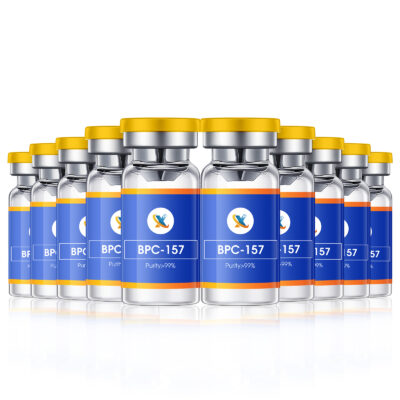
BPC-157 (Body Protection Compound-157) is a synthetic peptide derived from a protective protein found in the human gastric system. Known for its ability to accelerate tissue repair, reduce inflammation, and promote angiogenesis, BPC-157 is widely used to support muscle, tendon, ligament, joint, and gastrointestinal healing.
This 10mg strengthkit of 10 vials offers a higher concentration, making it ideal for those following extended recovery protocols or higher daily dosing strategies.
Supplied as a lyophilized powder, BPC-157 requires reconstitution before use.
Select options
This product has multiple variants. The options may be chosen on the product page