(CAS 9002-68-0); WHO International Standard for Menotropins (IS 80/552); European Pharmacopoeia Monograph 0128; clinical guidelines from American Society for Reproductive Medicine (ASRM); product monographs (Pergonal®, Menopur®).
🧪 Product Profile: Human Menopausal Gonadotropin (HMG)
Product Name: Human Menopausal Gonadotropin (HMG) CAS Number: 9002-68-0 Synonyms: Menotropins; Pergonal; Humegon; Gonadotropin, human menopausal Molecular Composition: Glycoprotein heterodimer complex containing follicle-stimulating hormone (FSH) and luteinizing hormone (LH) activities in ~1:1 ratio Molecular Weight: FSH ~34 kDa; LH ~29 kDa Source: Purified from urine of postmenopausal women Purity: ≥95% protein (SDS-PAGE); biological activity ratio (FSH:LH) ~1:1 (IU/IU) Formulation: Lyophilized powder for injection (standard vials: 75 IU FSH + 75 IU LH, 150 IU FSH + 150 IU LH)
🔬 Key Characteristics
Human Menopausal Gonadotropin (HMG) is a purified extract of gonadotropic hormones obtained from the urine of postmenopausal women, where ovarian follicle depletion leads to elevated endogenous gonadotropin secretion. It contains a balanced ratio of follicle-stimulating hormone (FSH) and luteinizing hormone (LH) activities, mimicking the physiological gonadotropin profile required for folliculogenesis. The glycoprotein structure features carbohydrate moieties (16-25% by weight) essential for receptor binding and metabolic stability. As a biogenic preparation, HMG exhibits batch-to-batch consistency in hormonal activity through bioassay standardization against the WHO International Standard for Menotropins.
⚙️ Mechanism of Action
Folliculogenesis Stimulation: FSH component binds to granulosa cell receptors, activating adenylate cyclase and cAMP-dependent pathways to promote follicle maturation from primordial to antral stages. Induces aromatase activity, converting androgens to estrogens (estradiol) to support endometrial proliferation.
Luteinizing Activity: LH acts on theca cells to stimulate androgen synthesis (androstenedione), providing substrate for follicular estrogen production. In later follicular phase, LH surge triggers oocyte meiosis resumption and ovulation when administered in high doses.
Male Gonadal Effects: Stimulates Leydig cell testosterone production and Sertoli cell spermatogenesis in hypogonadotropic hypogonadism, via LH and FSH receptor activation respectively.
📊 Clinical & Research Applications
Reproductive Medicine: First-line therapy for anovulatory infertility (WHO Group II) and controlled ovarian hyperstimulation (COH) in assisted reproductive technologies (ART), including IVF and ICSI.
Male Infertility: Treatment of hypogonadotropic hypogonadism (HH) to induce spermatogenesis in prepubertal males and improve sperm count in adult males with gonadotropin deficiency.
Endocrinology Research: In vitro model systems for follicle culture, ovarian steroidogenesis studies, and gonadotropin receptor signaling pathway analysis.
Pharmacology Development: Bioactivity reference standard for recombinant gonadotropin analogs (e.g., rFSH, corifollitropin alfa).
💡 Product Features
Bioactivity: Standardized by biological assay in rats (ovarian weight gain method for FSH; ventral prostate weight method for LH). Specific activity ≥75 IU/mg protein.
Administration: Intramuscular or subcutaneous injection; typically administered daily starting on menstrual cycle day 2-3, with dosage adjusted based on follicular response (ultrasound and estradiol monitoring).
Stability: Lyophilized powder stable for 36 months at 2-8°C; reconstituted solution (with bacteriostatic water) stable for 24 hours at room temperature or 72 hours refrigerated.
Combination Therapy: Co-administered with human chorionic gonadotropin (hCG) to trigger ovulation once follicular maturity is achieved (typically when leading follicle reaches 18-20mm).
⚠️ Safety Considerations
Ovarian Hyperstimulation Syndrome (OHSS): Risk of severe OHSS (incidence ~1-5%) characterized by ovarian enlargement, ascites, and thromboembolic complications; requires careful dose titration and monitoring.
Multiple Pregnancy: Increased incidence of multiple gestations (15-20%) compared to natural conception; higher order multiples (triplets+) reduced with modern ART protocols.
Contraindications: Primary ovarian failure, uncontrolled thyroid/adrenal dysfunction, pituitary tumor, abnormal uterine bleeding of undetermined origin, and hypersensitivity to urinary-derived proteins.
Immunogenicity: Potential for anti-FSH/LH antibody formation with prolonged use, though clinical significance is rare.
None of our HGH lines are inherently better than the other. Each batch comes with a corresponding test report. Purity and dimer can be a decent proxy for “quality”, you want purity as high as possible and dimer as low as possible. The main factor to consider in our opinion, is the price per IU. Supreme is usually the best bang for buck option. Historically, Supreme & Deluxe have shown lower dimer content, although this may not always be the case, so of course reference the corresponding test reports.
For HGH, we typically recommend 1ml for every ~10 IU in the vial. If a batch tests at an average of 290 IU per kit, that is an average of 29 IU per vial, and we’d recommend 2.9ml of bacteriostatic water. This will make the syringe math similar to a traditional 100 iu kit with 1ml of solution For peptide reconstituion, you can use our amazing Dosage Calculator.
Not necessarily. If you look through all our lab reports, particularly the ones with multiple test reports in a single batch, you will see that the intra-batch variance can actually be quite high. When you purchase a batch, you can expect some of the vials in your kit to be as much as 5-15% +/- whatever the corresponding lab test reflects. This is simply the reality of product that is not made to the same standards as pharmaceutical grade growth hormone. To state otherwise would be disingenous. There can also be a high variance in the dimer content intra-batch. (For Example: Economy B, Deluxe A, etc) Over time, we’ve increased the volume of samples analyzed for each batch, to provide more transparancy regarding the potential for intra-batch variance. If you use the average IU figure provided on each product, your dosage should average out over time, so don’t overthink your administration protocol too much. We know it can be a bit overwhelming with all the different numbers provided. That said, don’t hesitate to reach out if you need specific guidance on dosage or reconstitution.
Yes! We offer store credit for quantitative testing of total IU/Purity (ie Janoshik testing), and for personal IGF-1 test results. Please email for more information. *TERMS APPLY*
Depending on your location, most customers receive their order in 2-10 business days. We ship with USPS Ground Shipping, from the United States only. 99% of orders ship within 24 hours (excluding weekends & holidays)
We are no longer providing tracking. If your order is over 10 business days old and hasn’t arrived, our customer service team can check your tracking information to see the status of your package
If your order was marked as “completed”, typically this means a label has been generated and your order is scheduled to go out that day or the next. “Processing” status orders have not been shipped, processing means payment has been confirmed successfully. Don’t hesitate to reach out regarding the status of your order.
Unfortunately we do not provide reships for incorrect addresses. In the VERY rare instance that a package is lost in transit, we will reship your order free of charge.
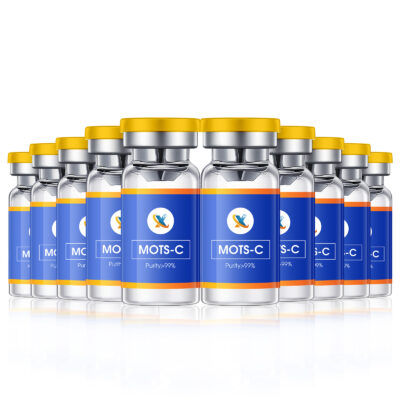
MOTS-c is a naturally occurring mitochondrial-derived peptide that plays a key role in cellular energy regulation, fat metabolism, and glucose control. Often referred to as a “metabolic mini-hormone,” MOTS-c enhances the body’s ability to burn fat, improve insulin sensitivity, and adapt to metabolic stress — making it an ideal peptide for those seeking fat loss, improved endurance, and anti-aging support.
This product is supplied as a lyophilized powder and requires reconstitution prior to subcutaneous injection.
Select options
This product has multiple variants. The options may be chosen on the product page
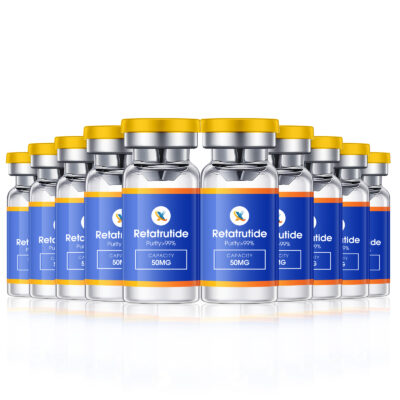
Retatrutide is a next-generation triple incretin agonist, targeting GLP-1 (glucagon-like peptide-1), GIP (glucose-dependent insulinotropic polypeptide), and Glucagon receptors simultaneously. This unique triple-action mechanism offers a powerful blend of appetite suppression, fat oxidation, and energy regulation, positioning Retatrutide at the forefront of advanced weight management and metabolic enhancement therapies.
This product is supplied as a lyophilized powder and requires reconstitution before use.
Select options
This product has multiple variants. The options may be chosen on the product page